A scholarly dream interpreter
Tell me your dream.
However much you remember — a single image or the whole strange story — is enough. Receive a careful, scholarly interpretation drawing on Jung, Freud, Vedic tradition, and Indigenous dream-lore.
Tonight's dream
Common dreams and what they often mean.
Starting places — not verdicts. Each entry draws on scholarship from multiple traditions and points to related symbols.
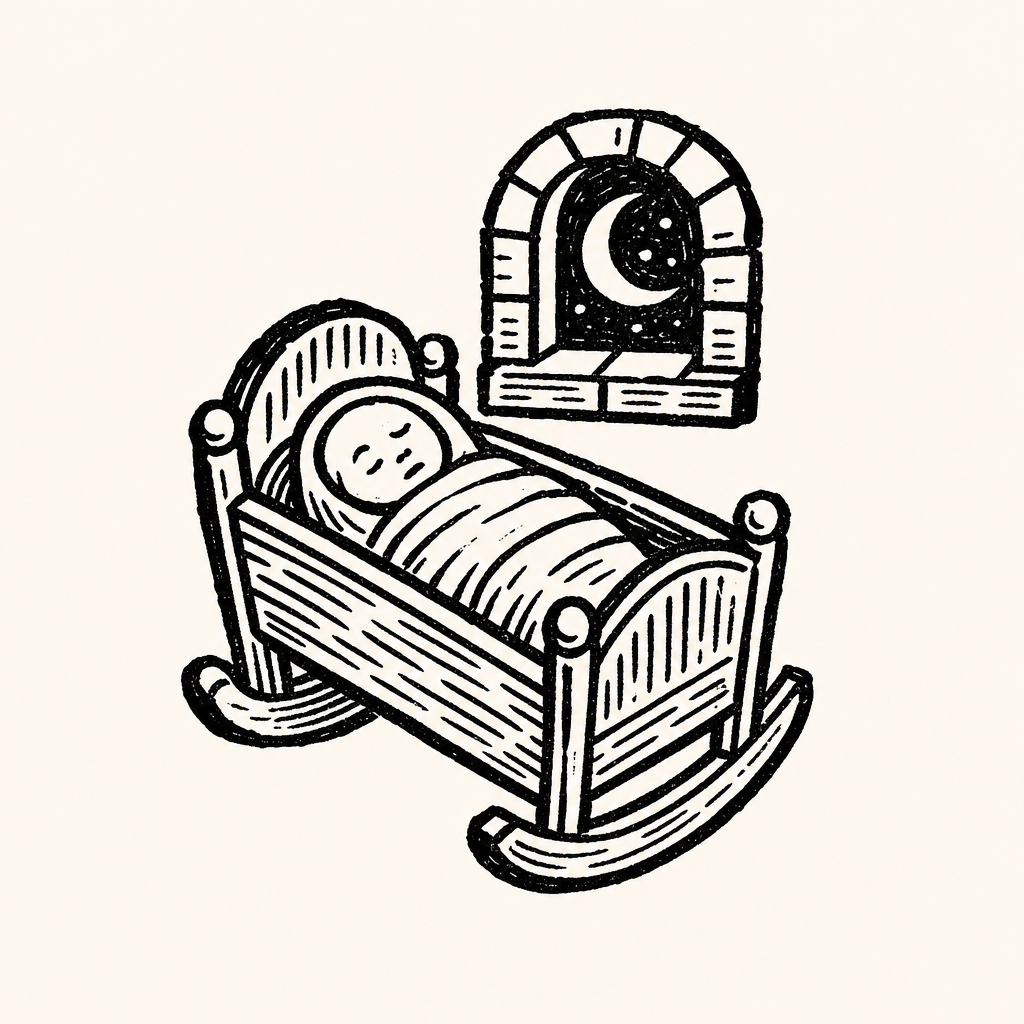
A Baby
A new beginning that cannot yet walk on its own.
JungianChristianHindu
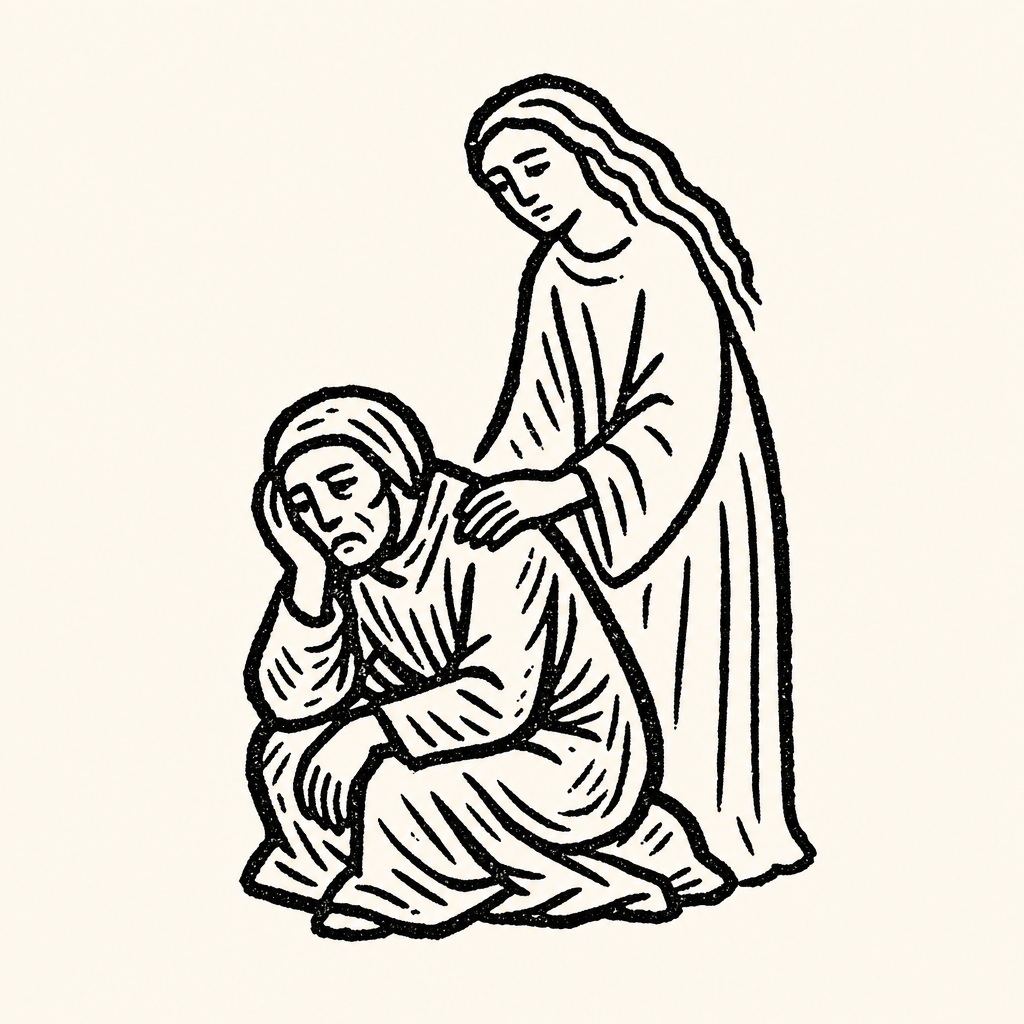
A Dead Loved One
Someone you have lost arrives in the dream — alive, themselves, often saying something.
JungianIndigenousChristian

A Flood
Water rising into a familiar room. Feeling overwhelming a structure.
JungianChristianVedic
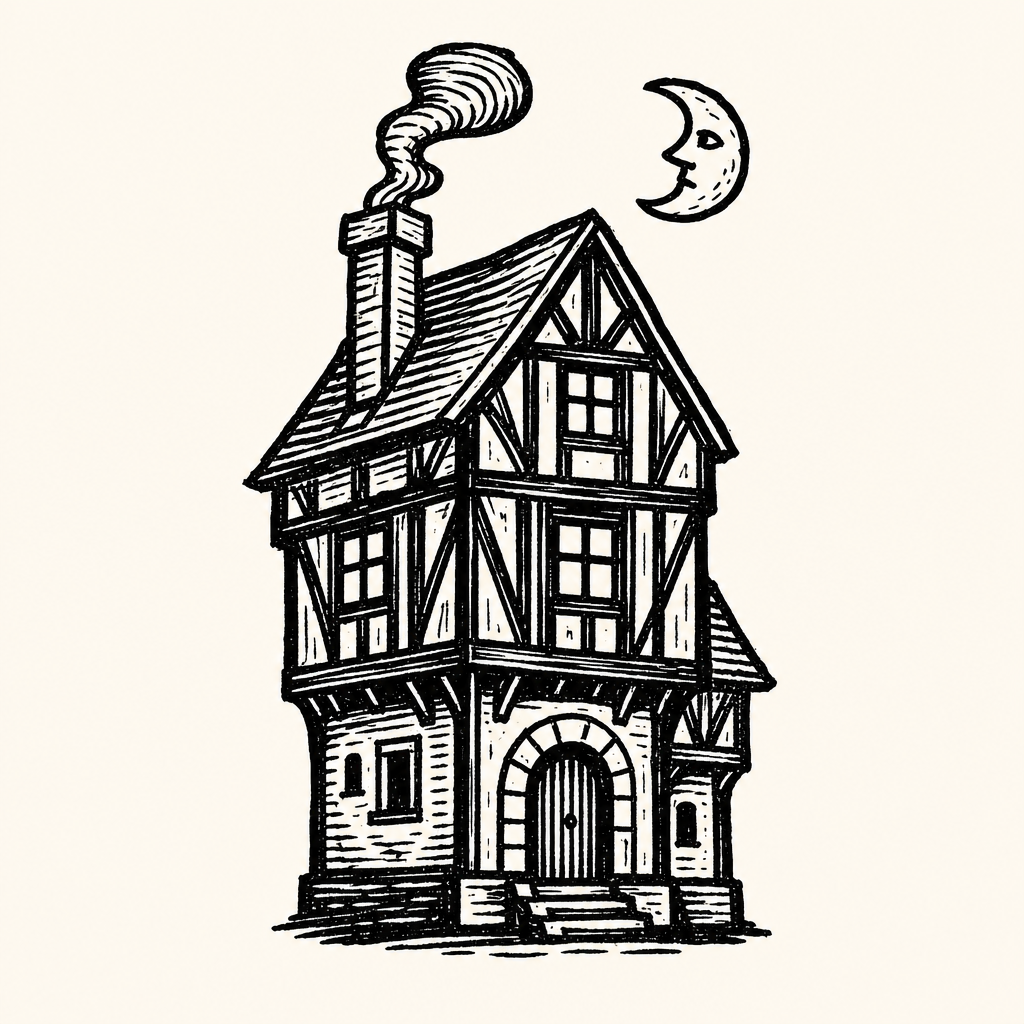
A House
The dream-house is the dream-self. New rooms, locked doors, hidden floors.
JungianFreudianFolk
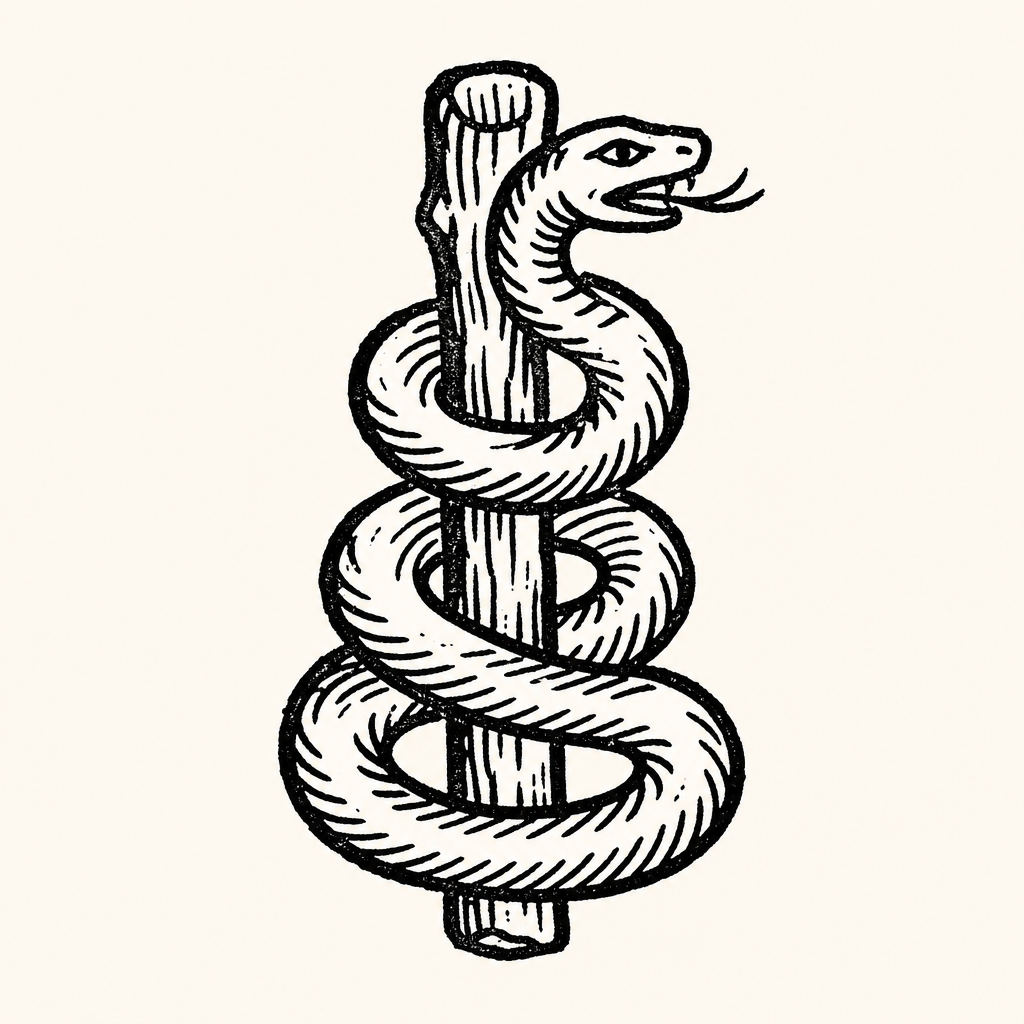
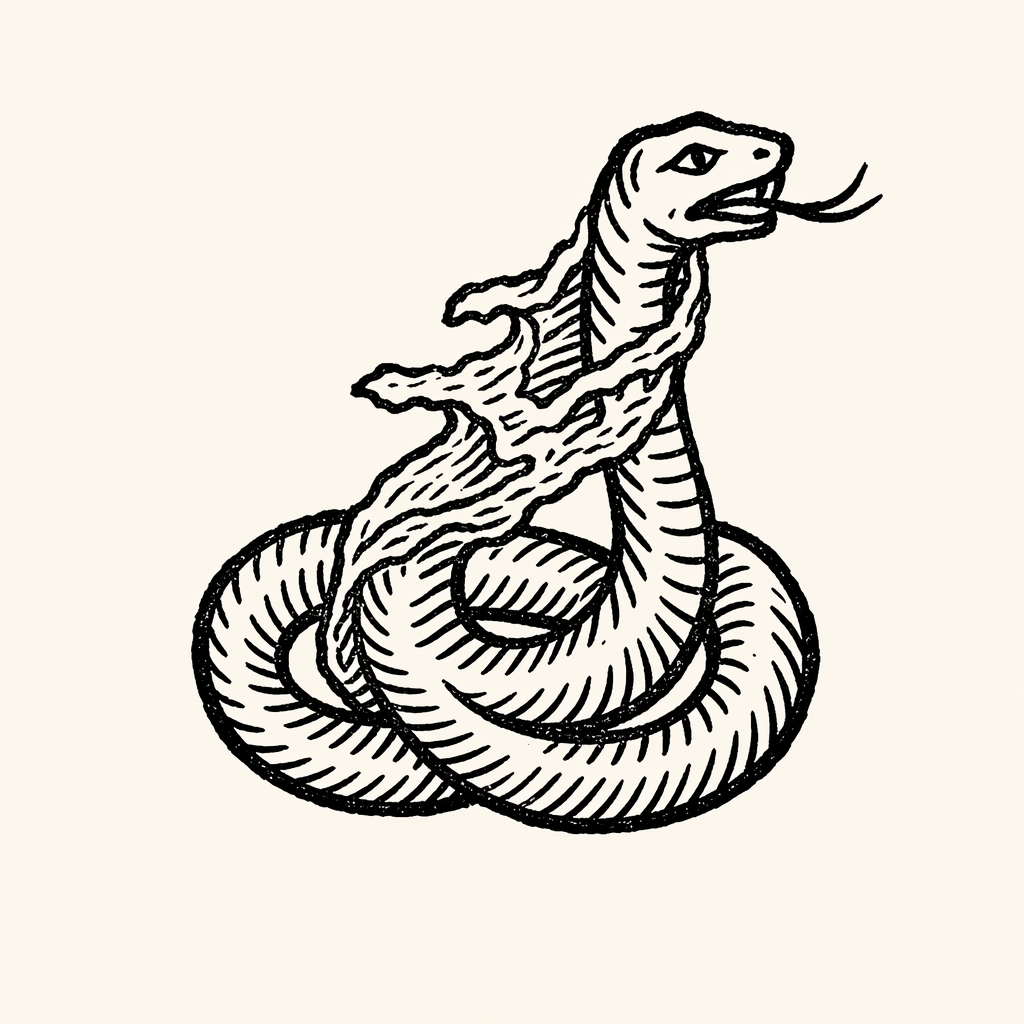
A Snake
Transformation, the friction of the new shedding the old.
JungianHinduGreek
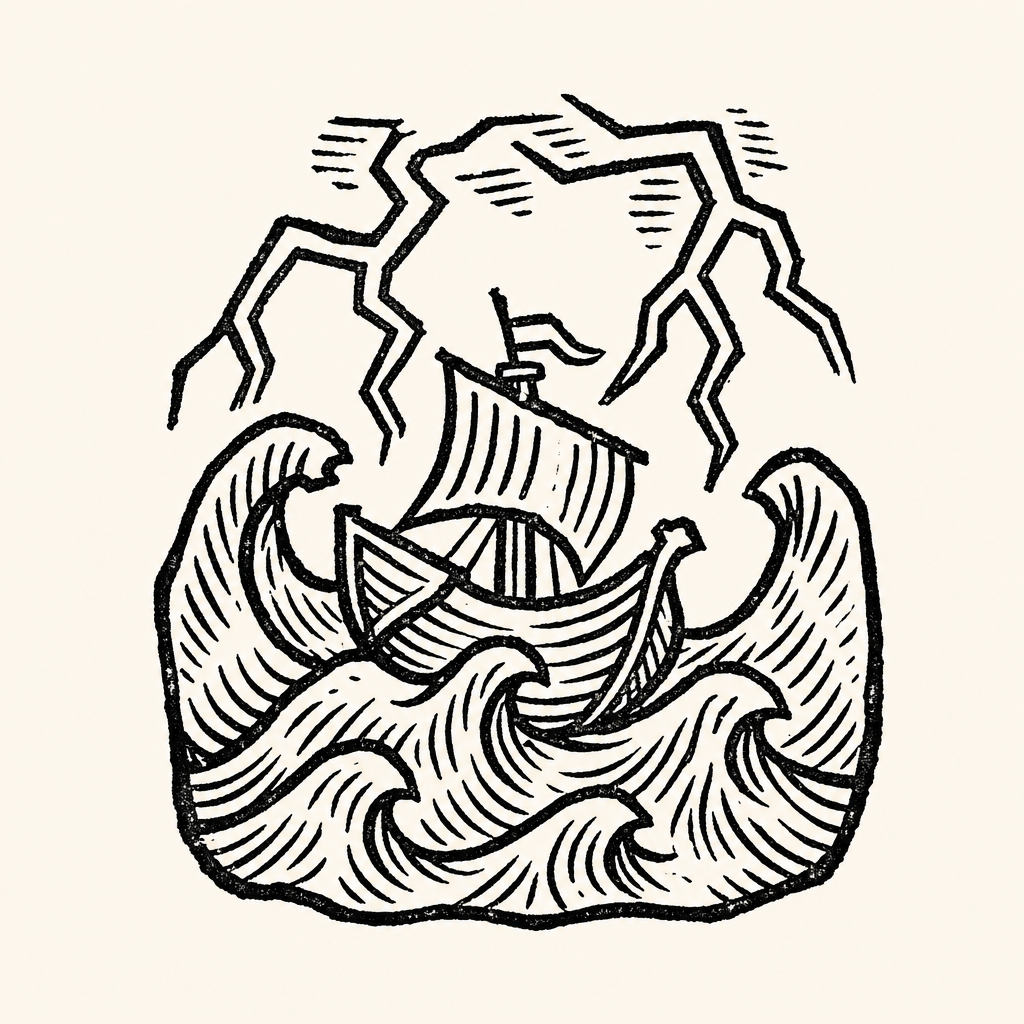
A Storm
Wind, rain, lightning. Atmospheric weather as inner weather.
JungianGreekVedic
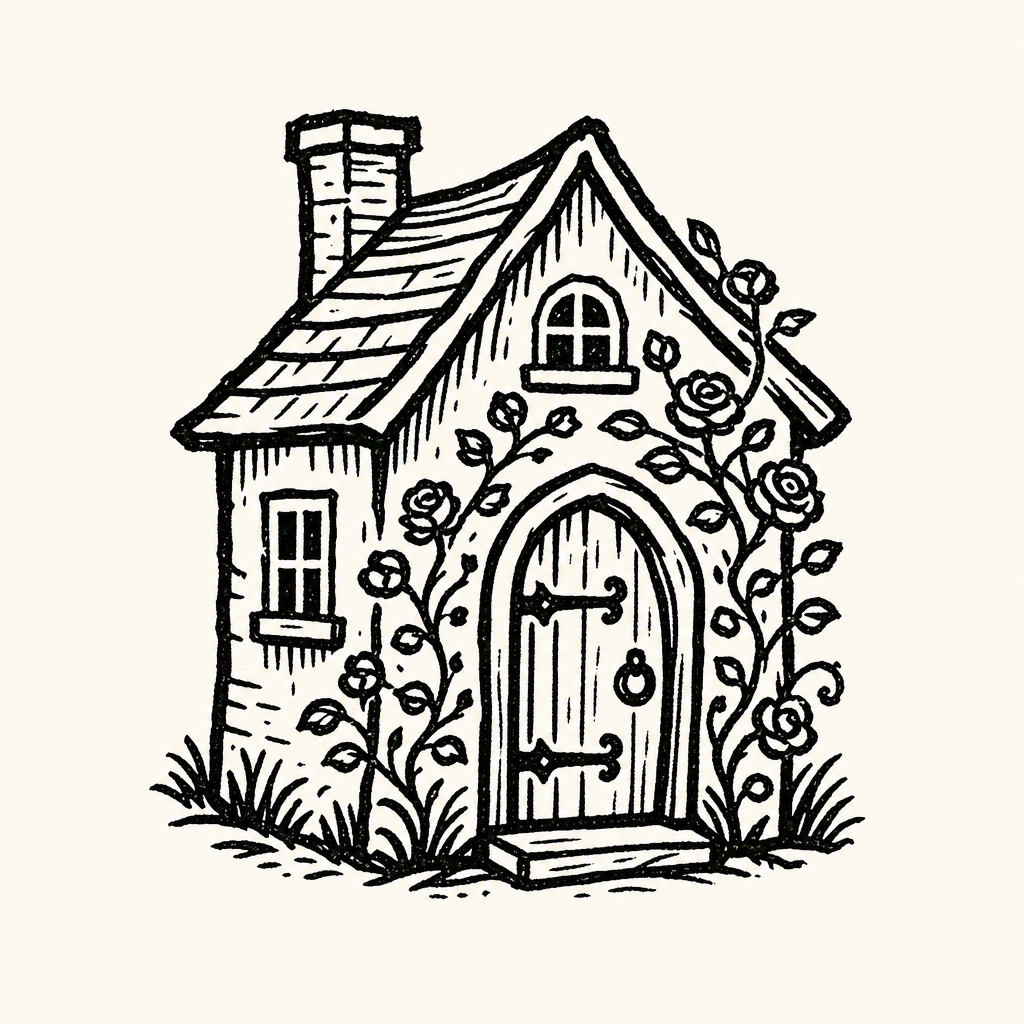
An Old House — the Childhood Home
You are back in the house you grew up in. Sometimes peaceful, sometimes haunted.
JungianFreudianIndigenous
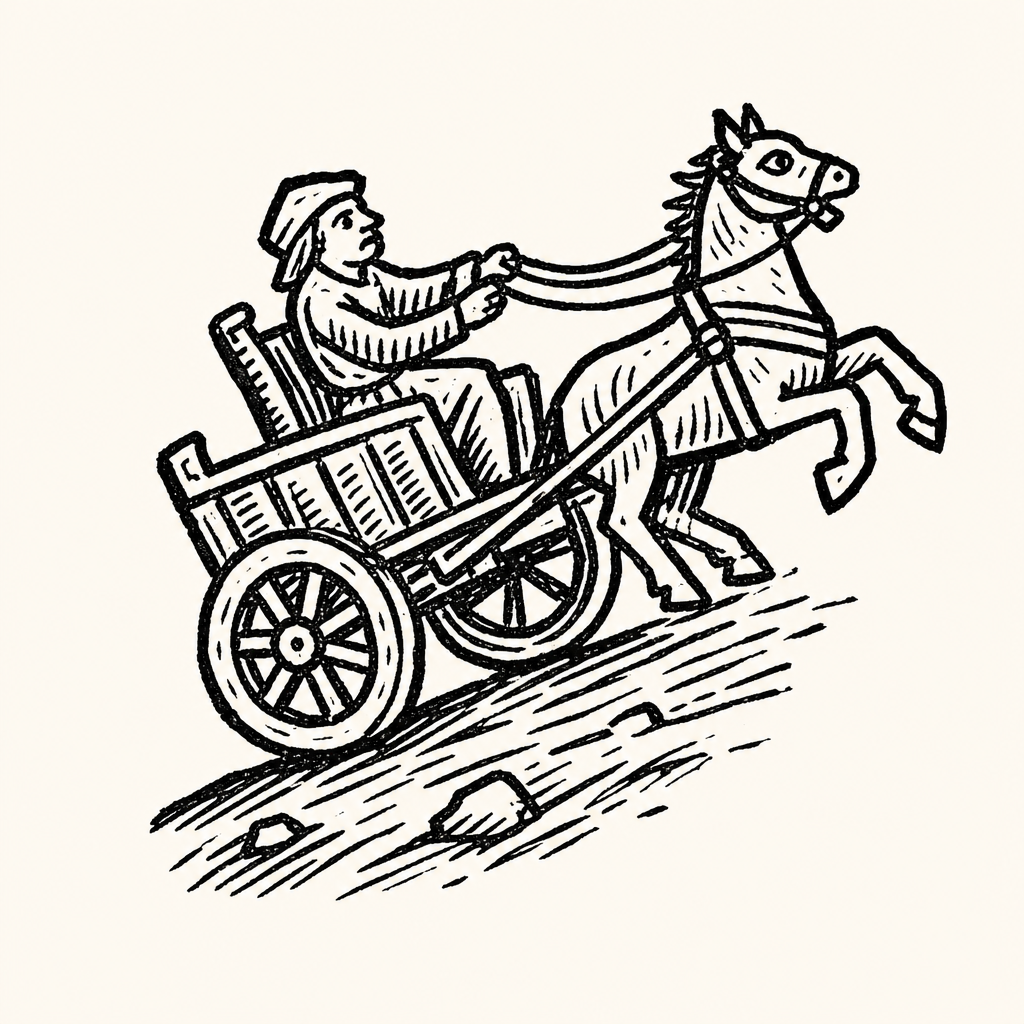
An Out-of-Control Car
You are driving and you cannot stop, cannot steer, cannot find the brake.
FreudianJungianFolk
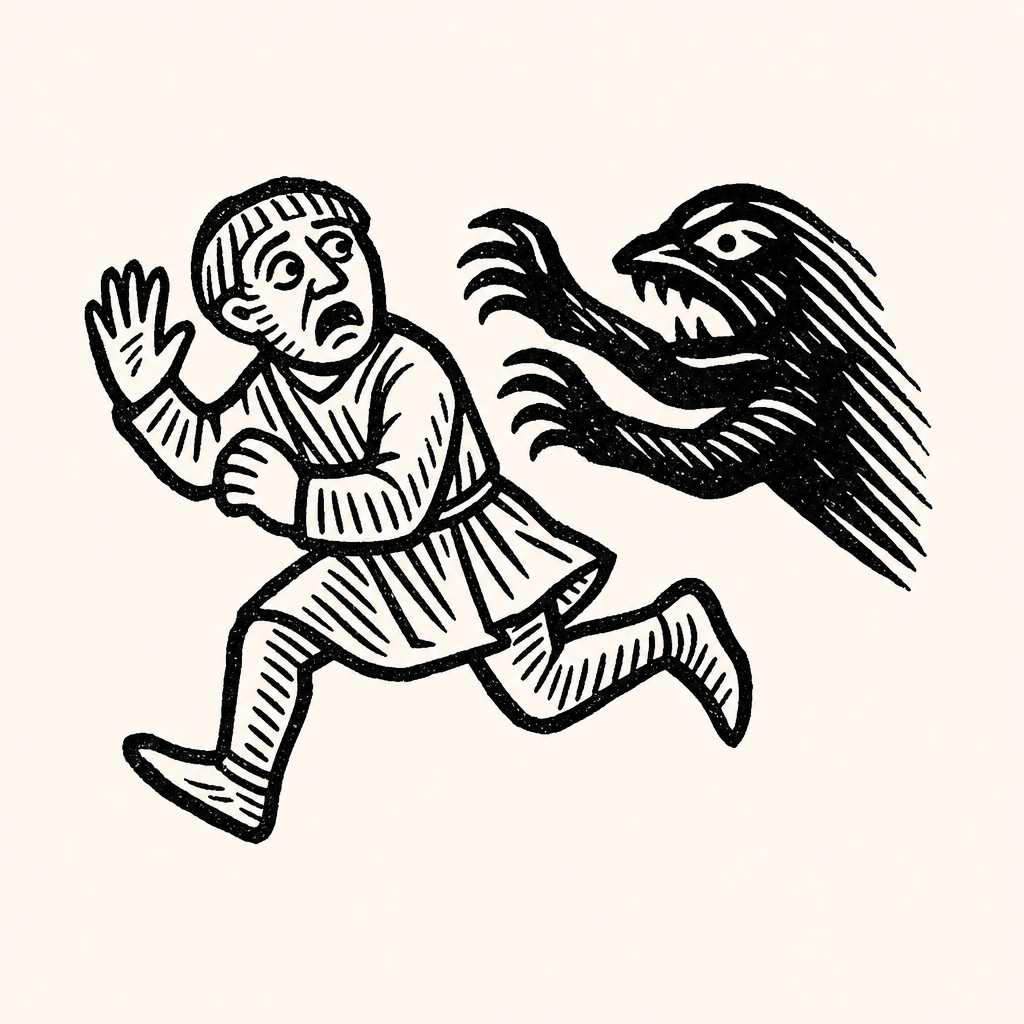
Being Chased
Something pursues you — what it is, and what it wants, are the dream's question.
FreudianJungianGreek
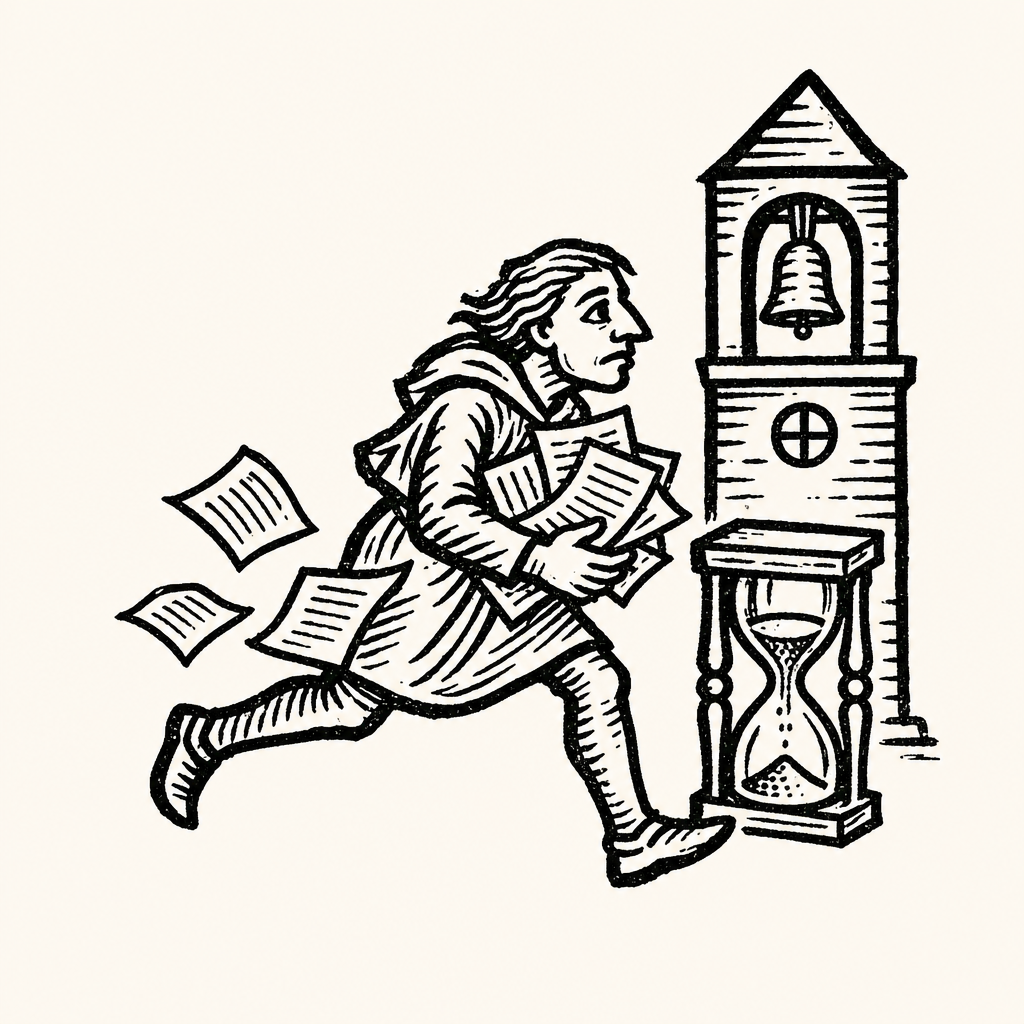
Being Late
An anxiety about a deadline you cannot quite reach — sometimes about the moment, sometimes about the life.
FreudianJungianFolk
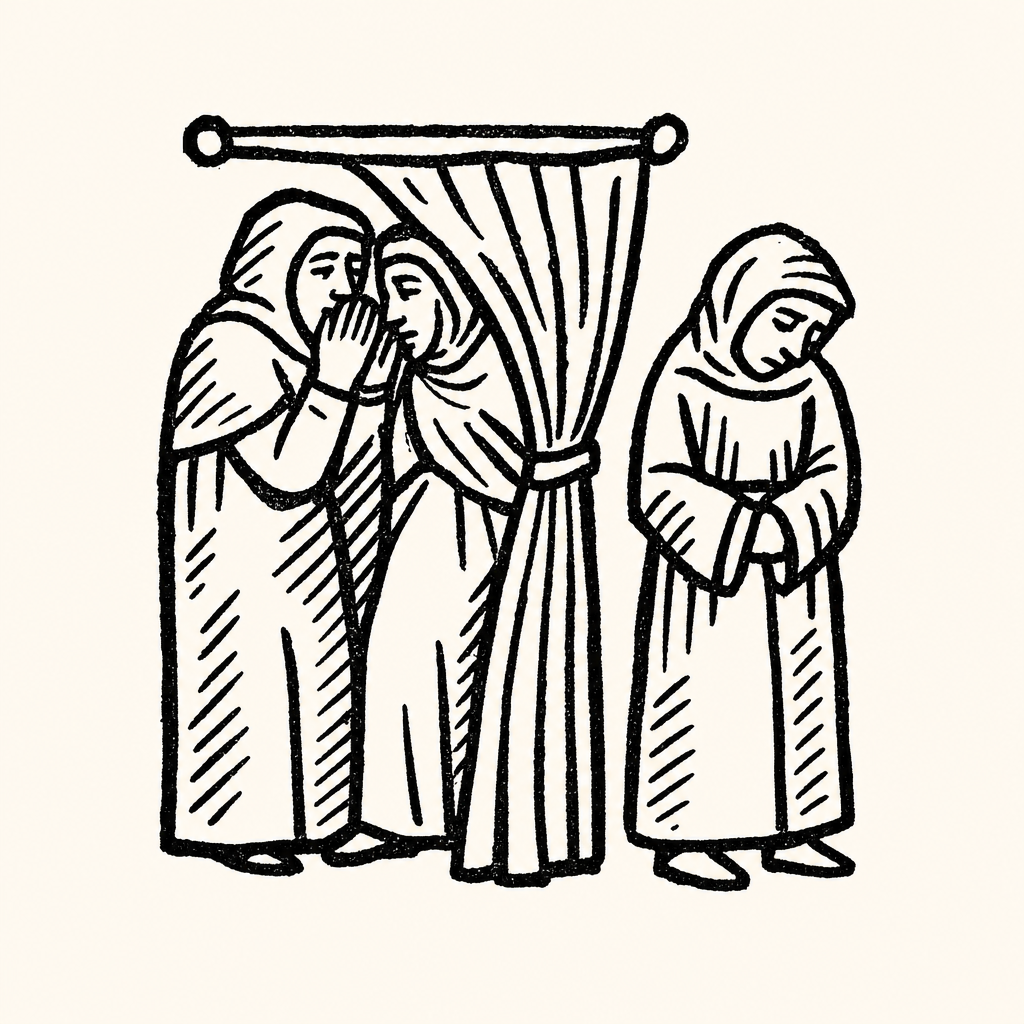
Cheating, or Being Cheated On
Betrayal in the dream — almost always about loyalty to yourself before loyalty to a partner.
FreudianJungianFolk
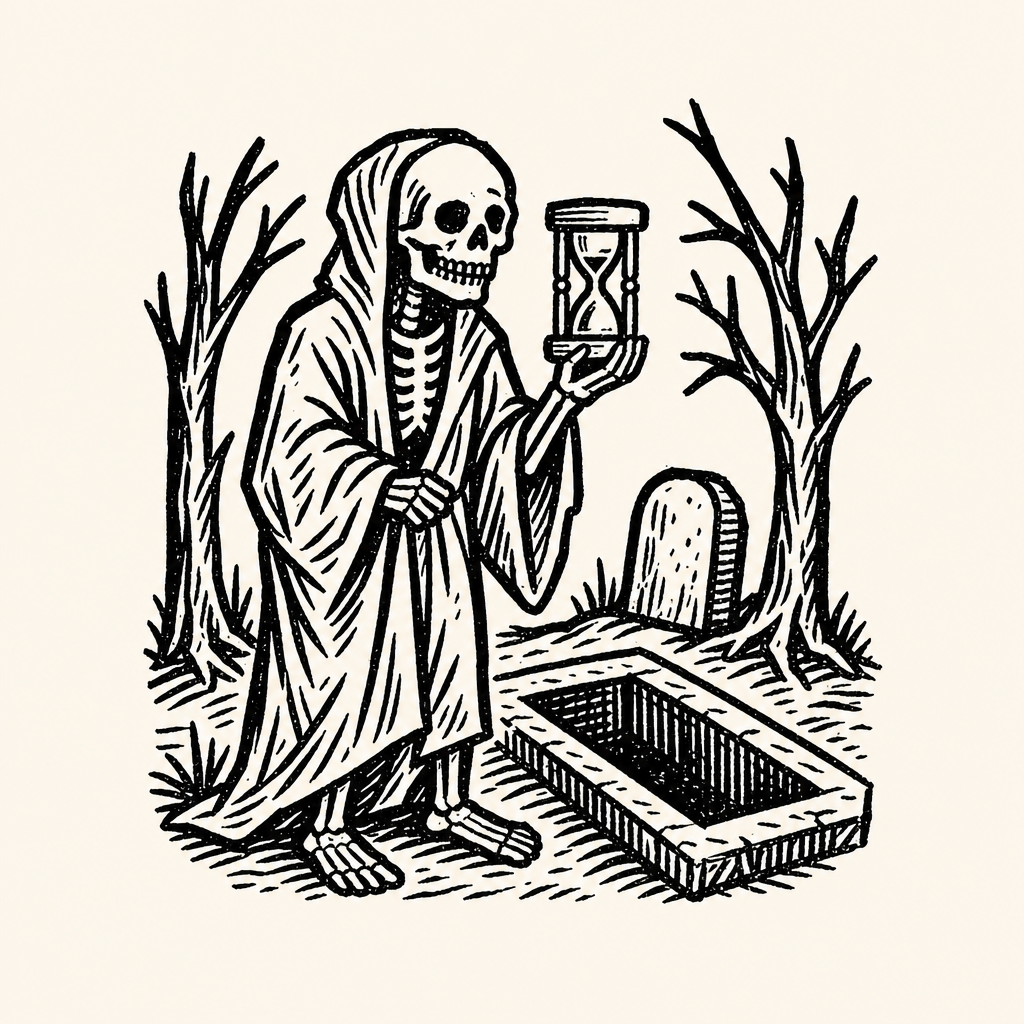
Death (Your Own)
You die in the dream. Almost never literal — almost always the death of an old self.
JungianHinduChristian
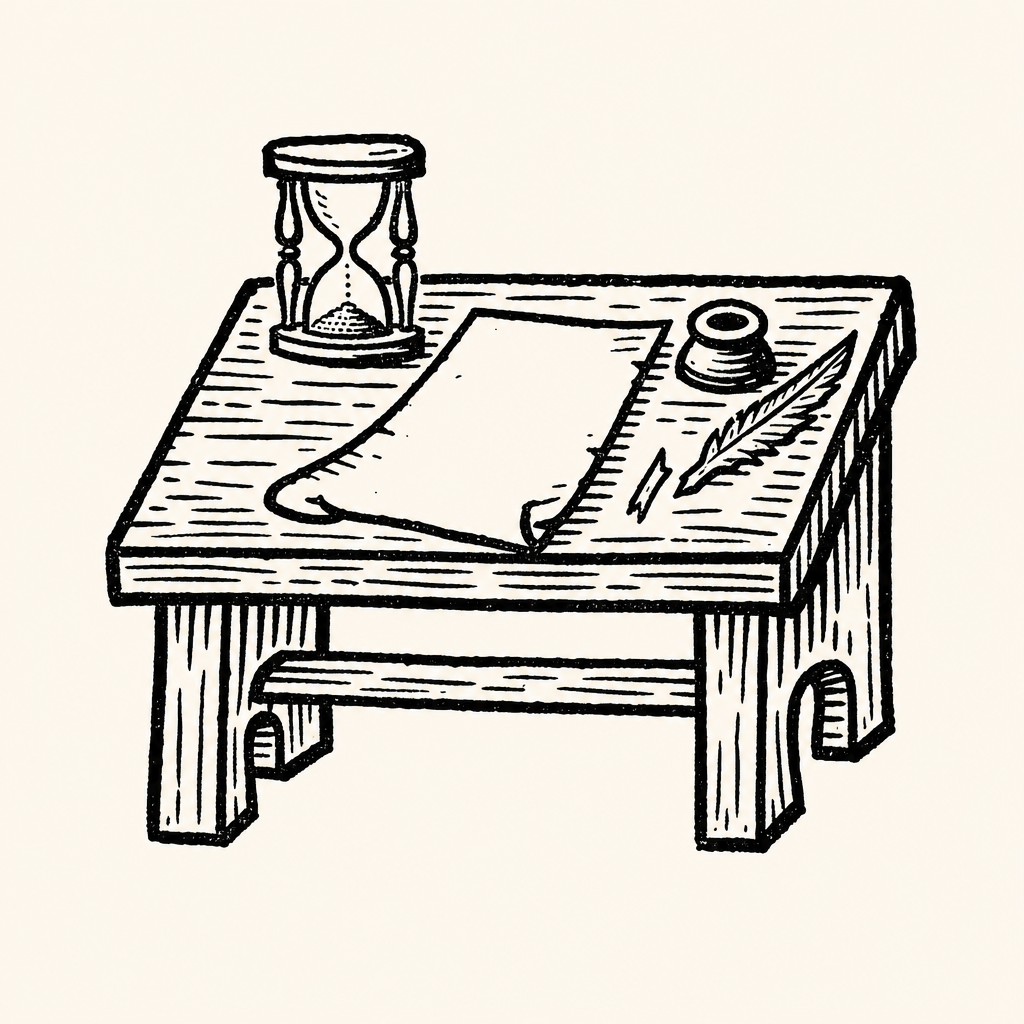
Exam, Unprepared
You walk into a test you didn't know was today. The classic anxiety dream of self-judgment.
FreudianJungianFolk
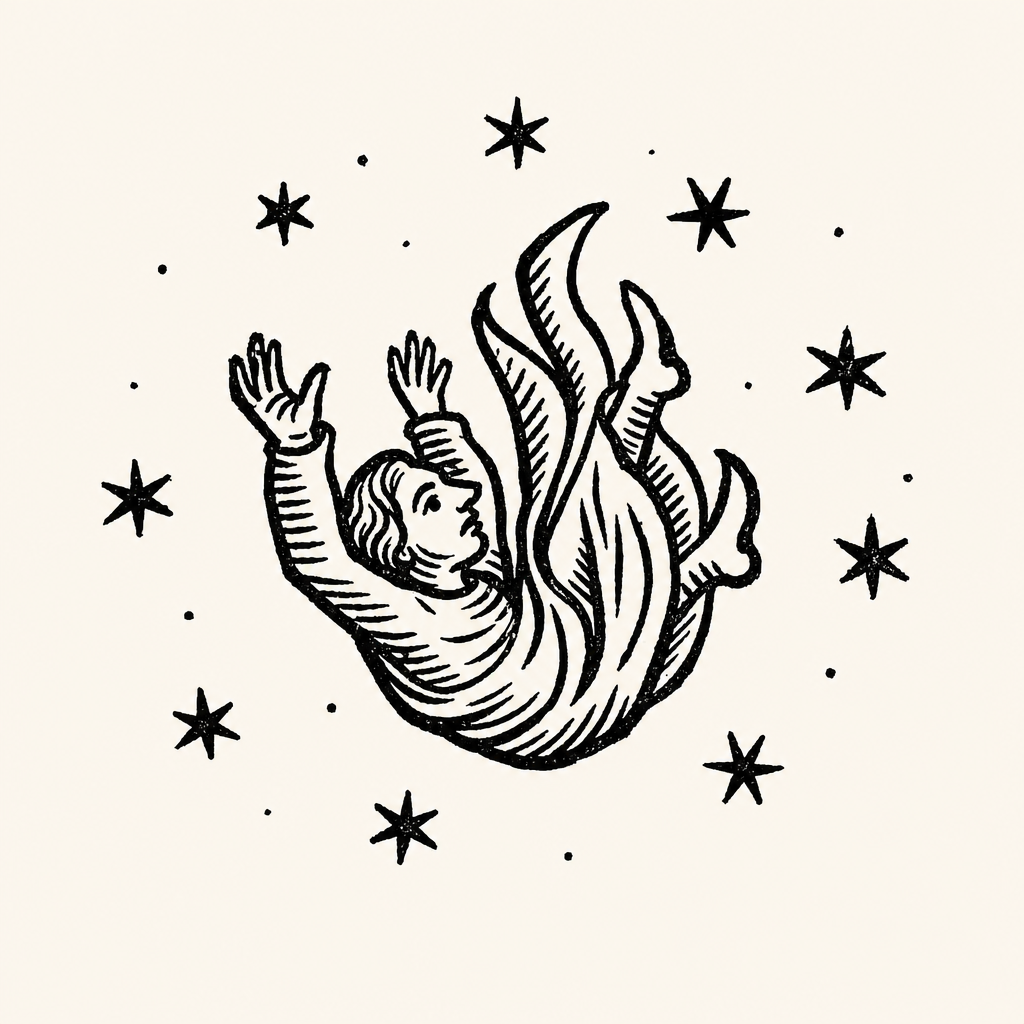
Falling
A loss of footing — control slipping, or a letting-go the psyche is rehearsing.
FreudianJungianIndigenous
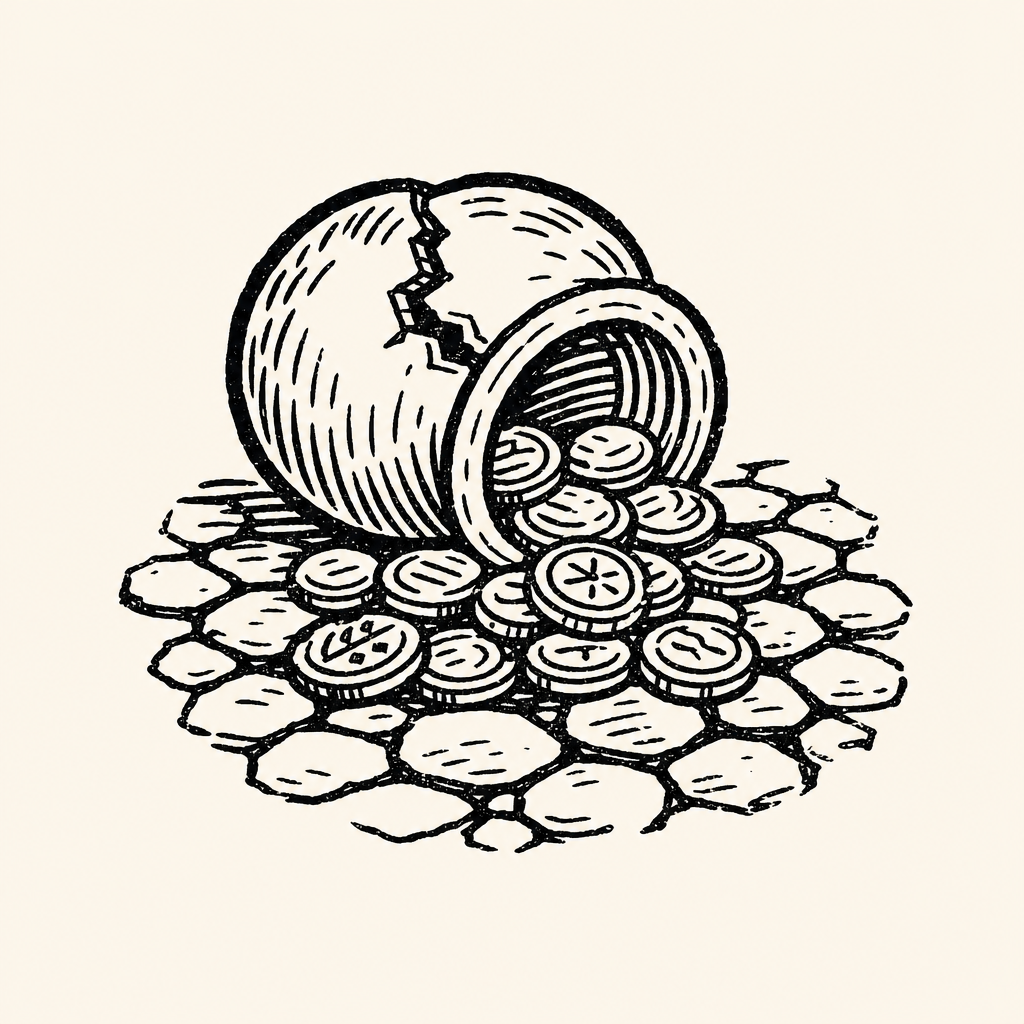
Finding Money
Coins, bills, treasure — discovered, sometimes hoarded, sometimes lost again.
JungianFreudianFolk
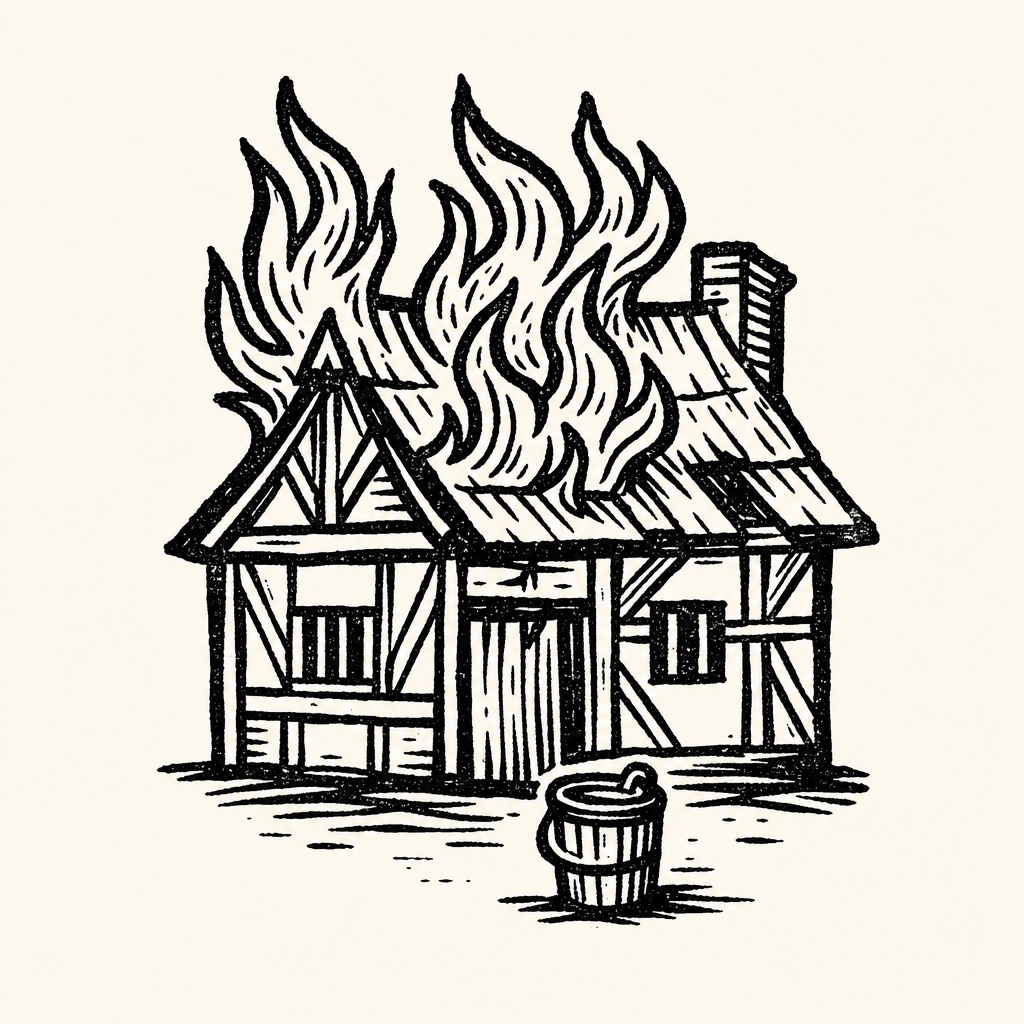
Fire
Transformation that destroys to create. Eros, illumination, consuming change.
JungianVedicGreek

Flying
You are aloft, sometimes effortlessly, sometimes barely. Composure or escape.
JungianHinduSufi
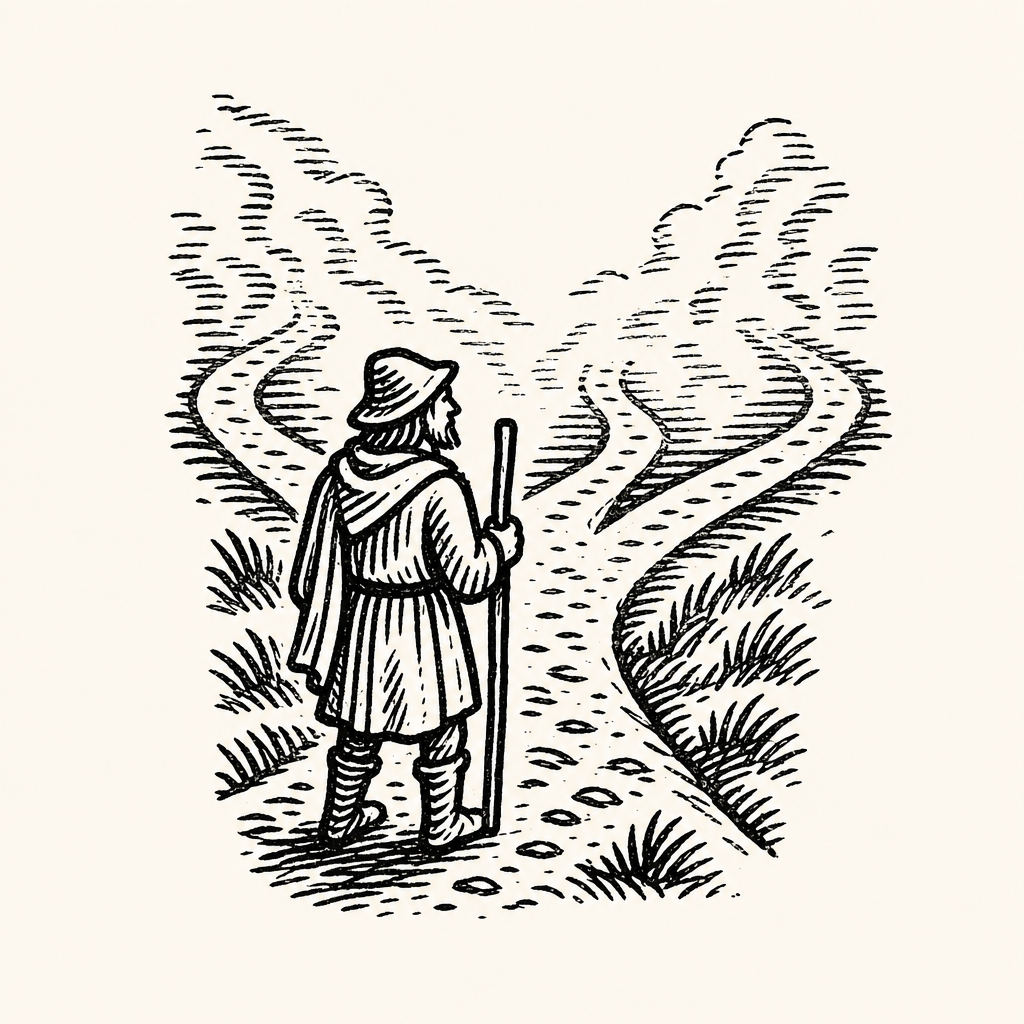
Lost — Can't Find the Way
Streets that change, doors that move, a familiar place gone unfamiliar.
JungianFolkIndigenous
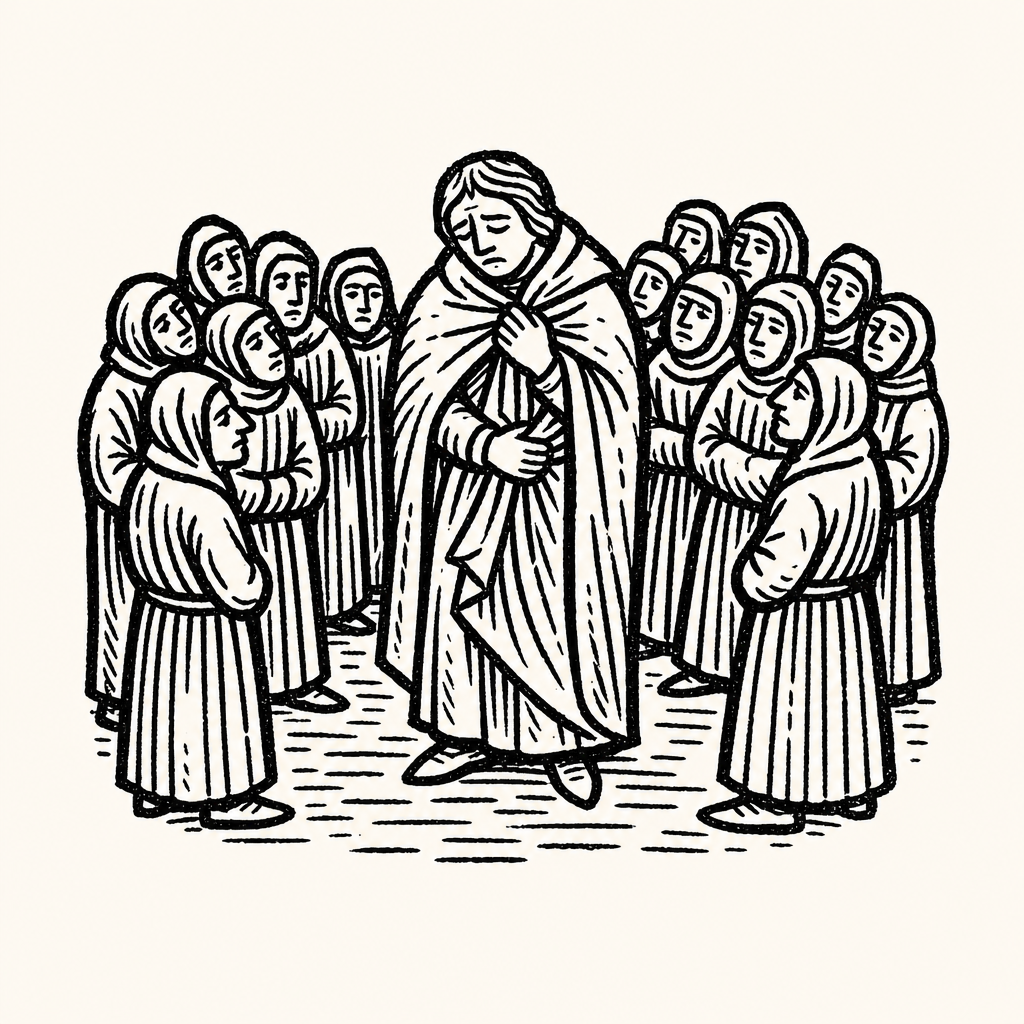
Naked in Public
You realize, far too late, that you are not wearing what you should be.
FreudianJungianGreek
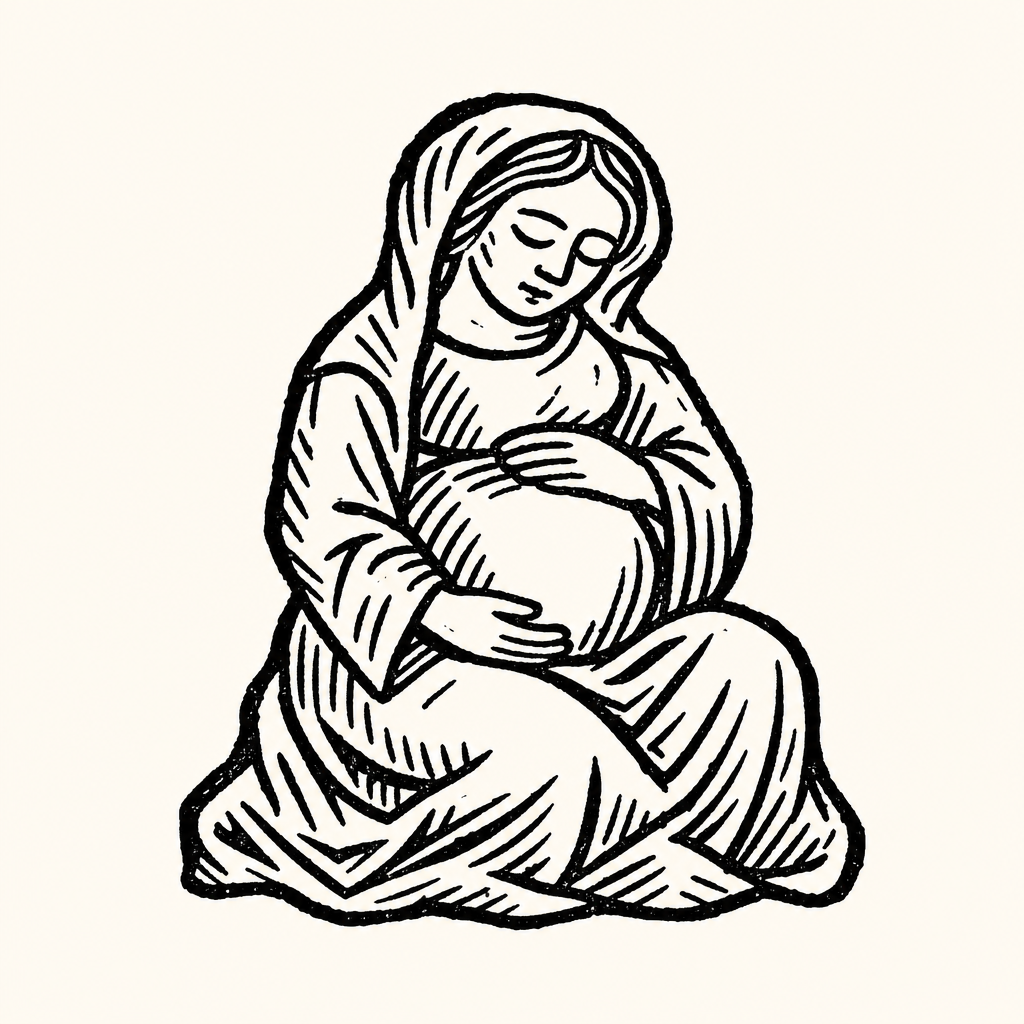
Pregnancy
You are pregnant in the dream — sometimes peacefully, sometimes hidden.
JungianFreudianFolk
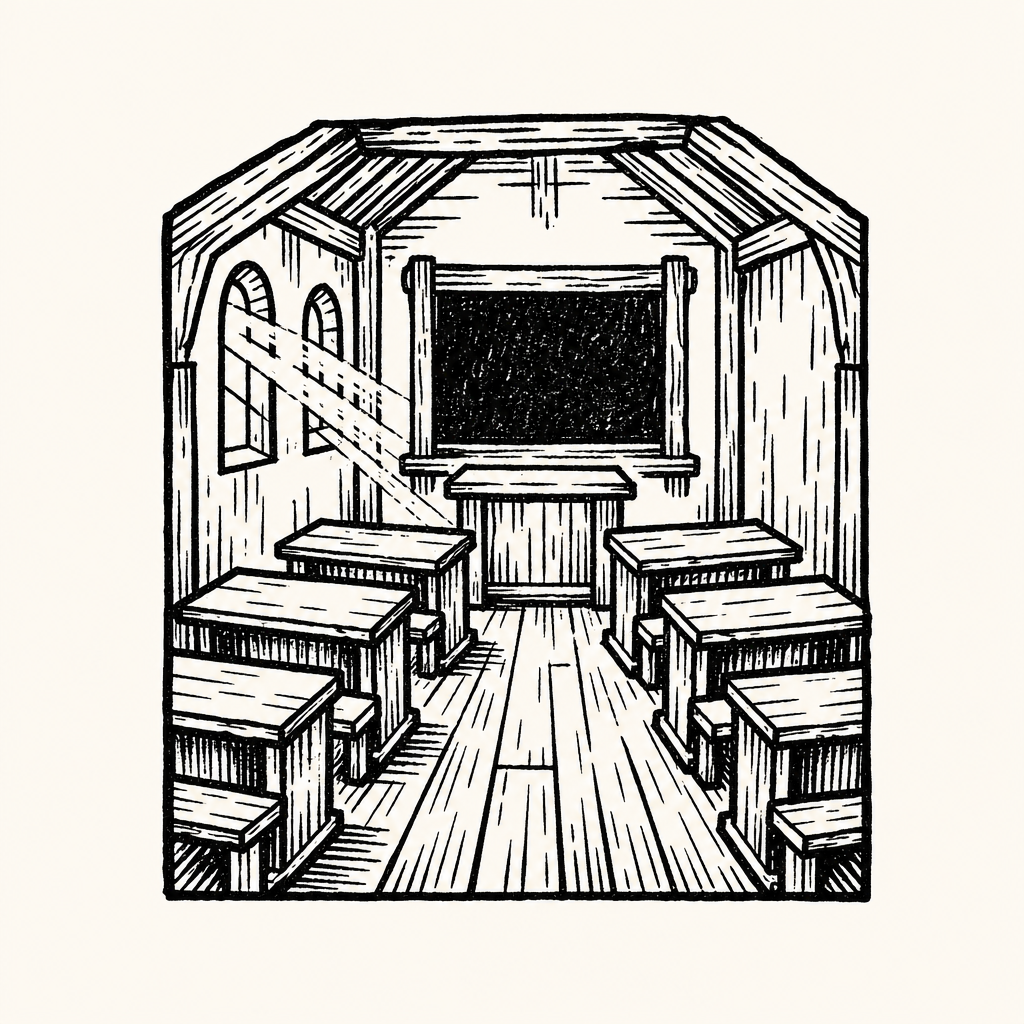
School — an Old Classroom
You are back in a school you used to attend. Sometimes a test, sometimes simply being there.
JungianFreudianFolk
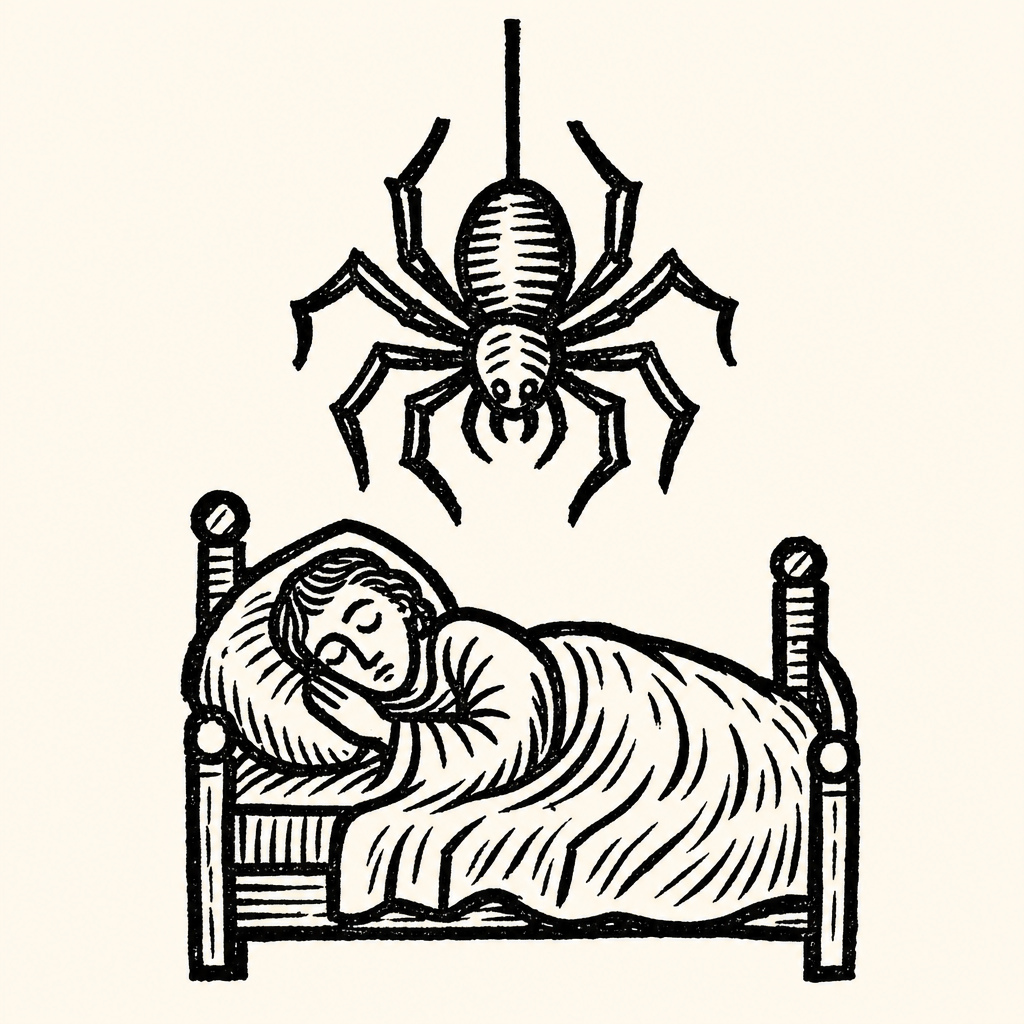
Spiders
Webs, weaving, and small horror. A symbol with two faces.
JungianIndigenousFolk
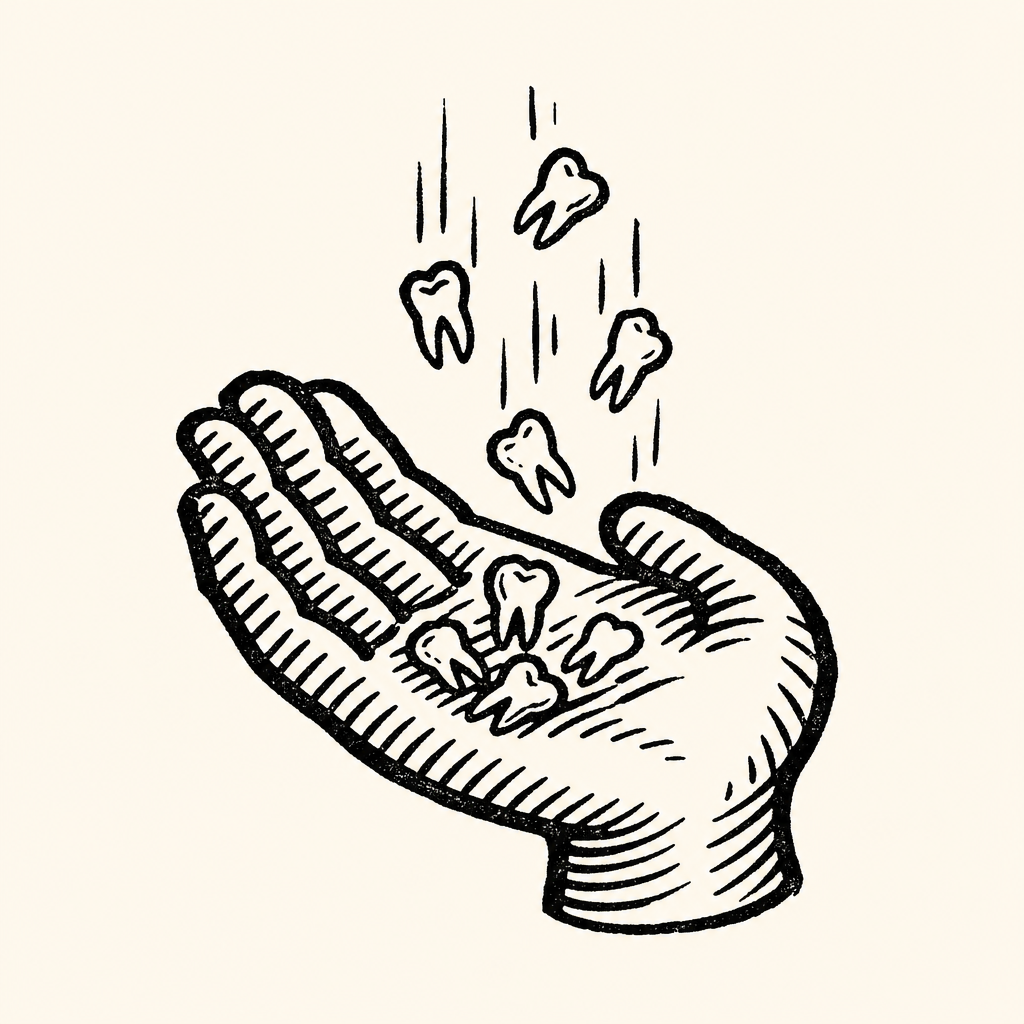
Teeth Falling Out
Anxiety about appearance, power, or something you cannot 'hold onto.'
FreudianJungianChinese
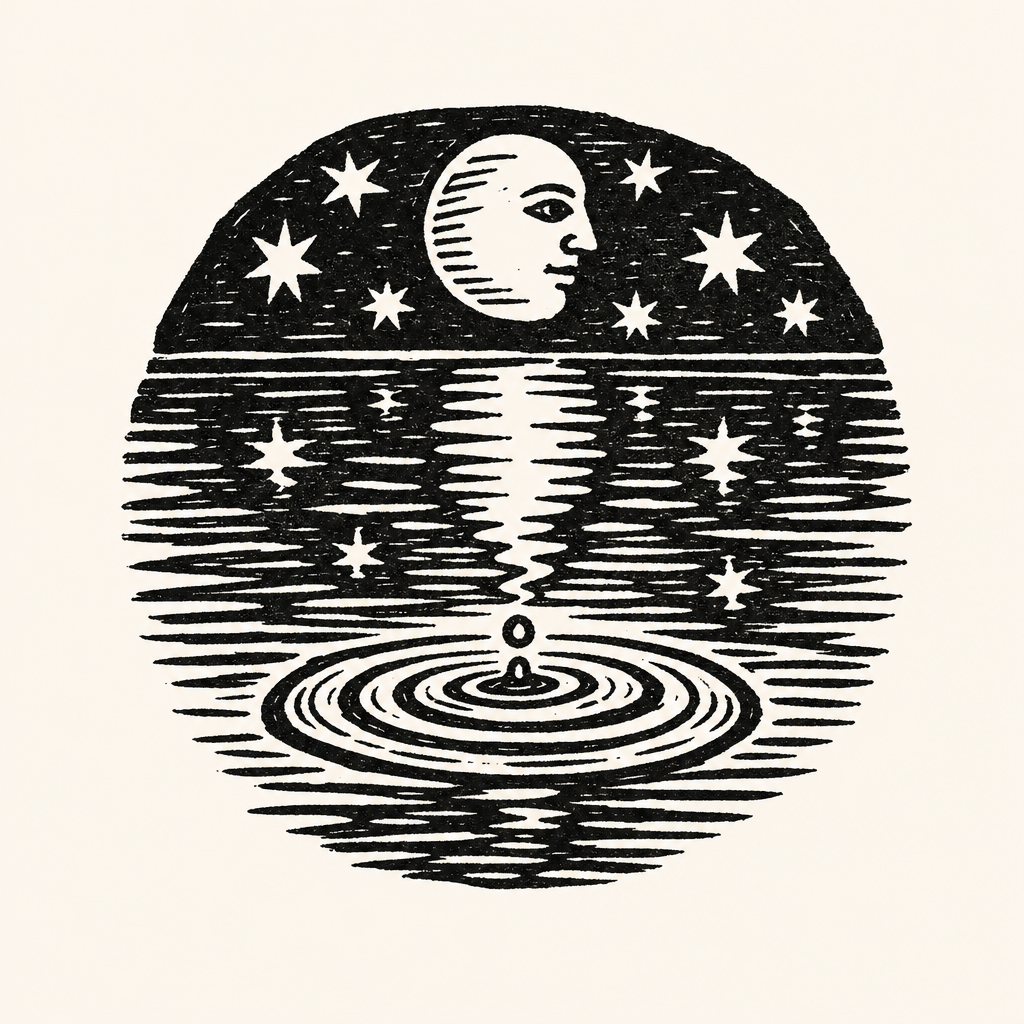
Water
The unconscious itself, in some state — calm, churning, deep, frozen, flooded.
JungianHinduChristian





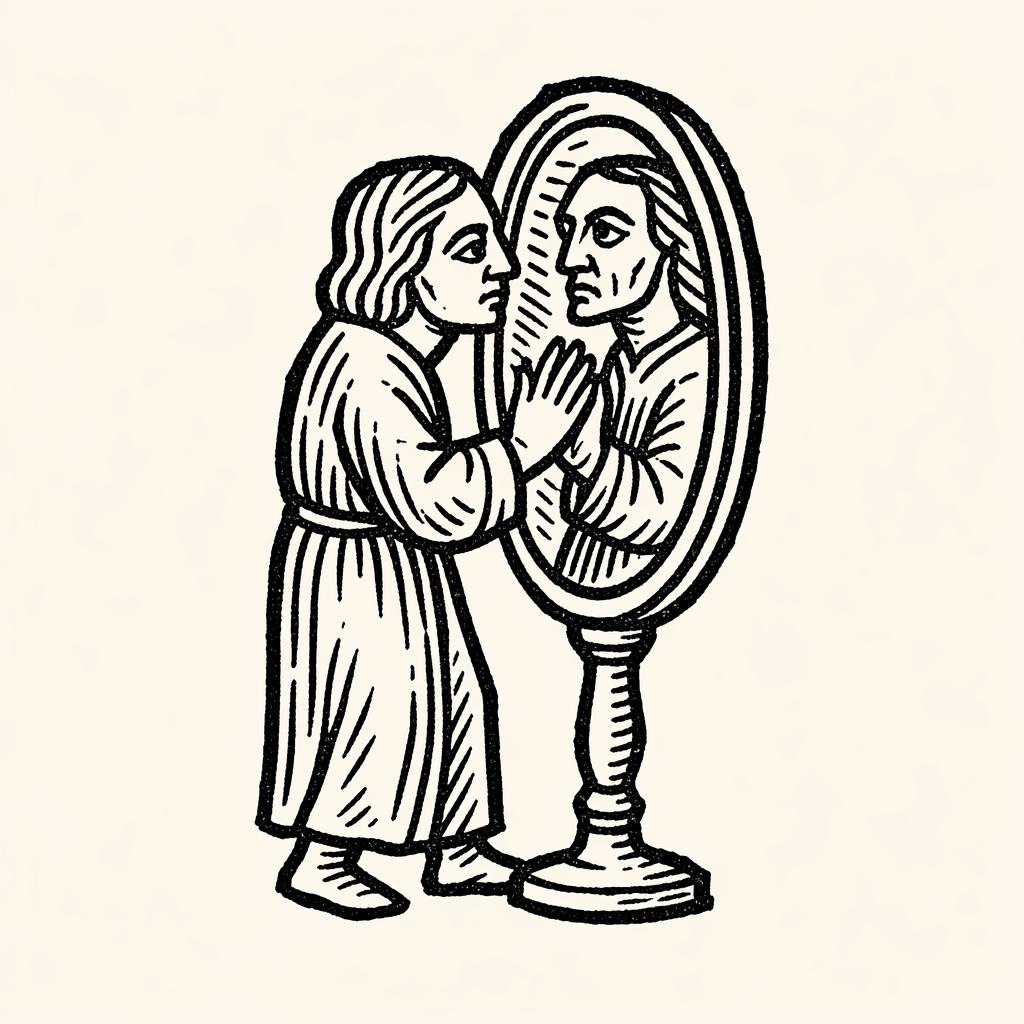

Your private dream journal.
Everything you save stays on your device — nothing is sent anywhere. Export your journal as JSON any time.
Questions often asked.
Short answers. Fuller threads live in the interpreter itself.
Almost never. Dream images are symbolic — they use the vocabulary of your inner life, not the rules of waking logic. A dream of death rarely predicts death; it almost always marks a phase ending and another beginning. The images I Had This Dream offers are starting points for reflection, not verdicts.
All of them, carefully. I Had This Dream is built on scholarship from Jung's archetypal psychology, Freud's symbolic analysis, Vedic and Hindu dream-lore (including the Atharvaveda and Upanishadic traditions), Indigenous dream cosmologies, and folk traditions from around the world. The interpretation notes which tradition it is drawing on so you can follow the thread yourself.
Your journal stays on your device — it is saved only to your browser's local storage and never leaves it. When you ask for an interpretation, the text of that dream is sent to our interpretation model; if you also choose to render the dream as a woodcut, a short symbolic paraphrase of the dream is sent to an image-generation model. We keep an anonymous copy of each submitted dream on our server to study which images and themes recur across dreamers — no names, no email addresses, no IP addresses, no accounts. We never sell this data and we never train models on it. If you don't want your dream stored, simply don't submit it to the interpreter.
The simplest practice: keep a notebook by your bed and, the moment you wake, write down any image or feeling you can recall — even a single word. Do not move. Do not check your phone. Over a few weeks, recall sharpens dramatically. Dreams that feel important often repeat; let them.
Recurrence is the psyche's underline. A dream that returns is bringing a message that hasn't yet been received — sometimes because the waking self isn't ready, sometimes because the symbol is still being clarified. The content usually shifts slightly each time. Noticing what changes is often as revealing as the dream itself.
Most dream scholars today treat so-called precognitive dreams as the psyche noticing patterns before the conscious mind does — emotional truths about relationships or situations that haven't yet surfaced. Some traditions (Hindu, Irish, Lakota among them) hold that dreams can carry genuine foresight. Either way, it is wise to listen.
Both have value. Interpreting alone lets the dream's meaning rise without another's framework interfering. Working with a partner, therapist, or dream group reveals facets you can't see from inside. Think of I Had This Dream as a knowledgeable companion — one lens among several.