
Animus
Jung's contrasexual archetype: the inner masculine in the female psyche.
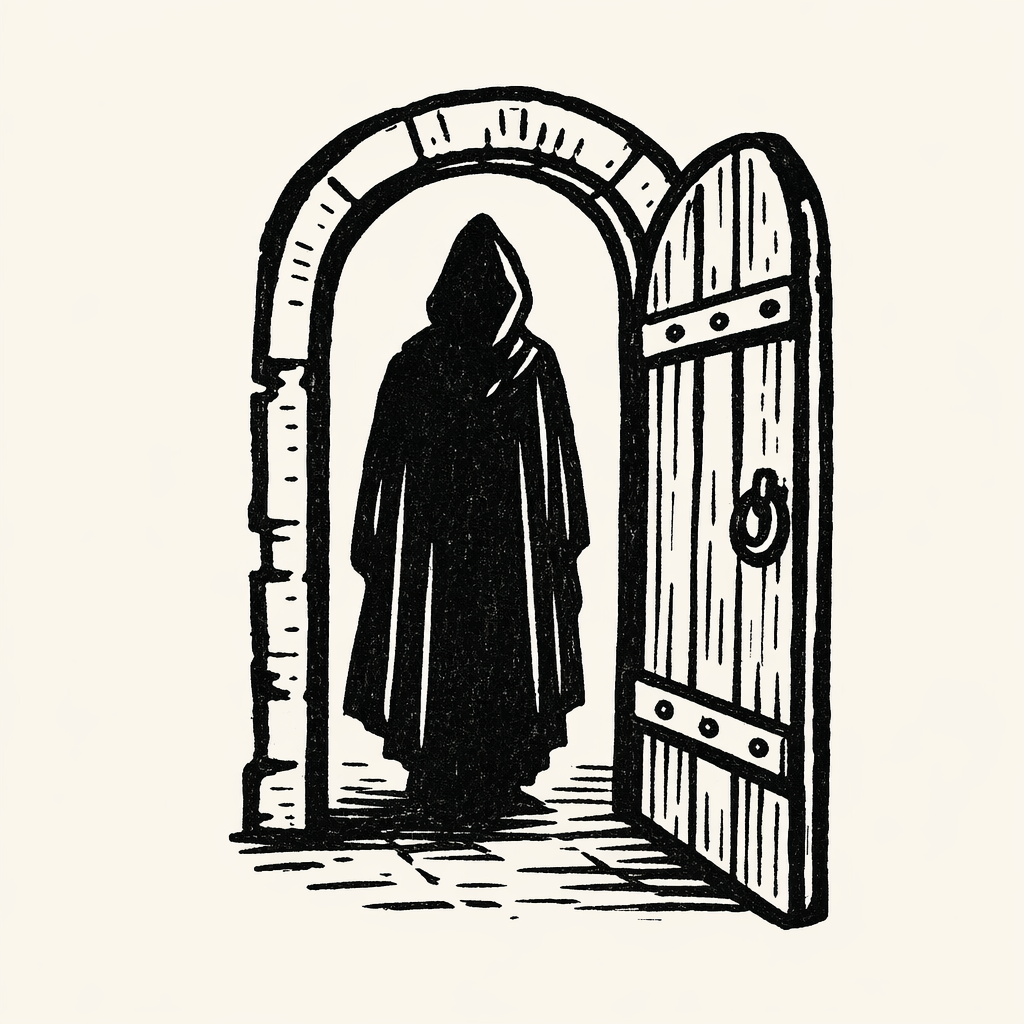
The animus is Jung’s contrasexual archetype in the female psyche — dream-bearer of logos: discrimination, judgment, agency, voice. He arrives in dreams as athlete, teacher, prophet, sage, sometimes as a panel of men whose pronouncements the dreamer has been carrying as her own. The four classical stages describe a maturation; the dream-figure often correlates roughly with the dreamer’s current relationship to her own authority.
The Jungian reading
Jung’s most direct treatment is in Aion (CW 9ii). The animus carries what the conscious self has not yet brought into accountable expression: the capacity for clear judgment, decisive action, public voice.
The “opinion-pronouncing committee” — a panel of men whose pronouncements the dream-self listens to as if they were her own — is a particular animus-form Jung noted in women whose judgment had been outsourced. The dream’s invitation is often the reclaiming of one’s own voice.
Cross-cultural readings
The Sufi Pir (master) and the Hindu Guru are nearby psychic territory in religious form. The dream-animus borrows from the same ground.
If the dream changes
- From hostile to companionable. Integration progressing.
- From single figure to many. The opinion-committee has been seen for what it is.
- From speaking-instead-of-you to speaking-with-you. The dreamer has begun to share authority with the figure.
Related dreams and symbols
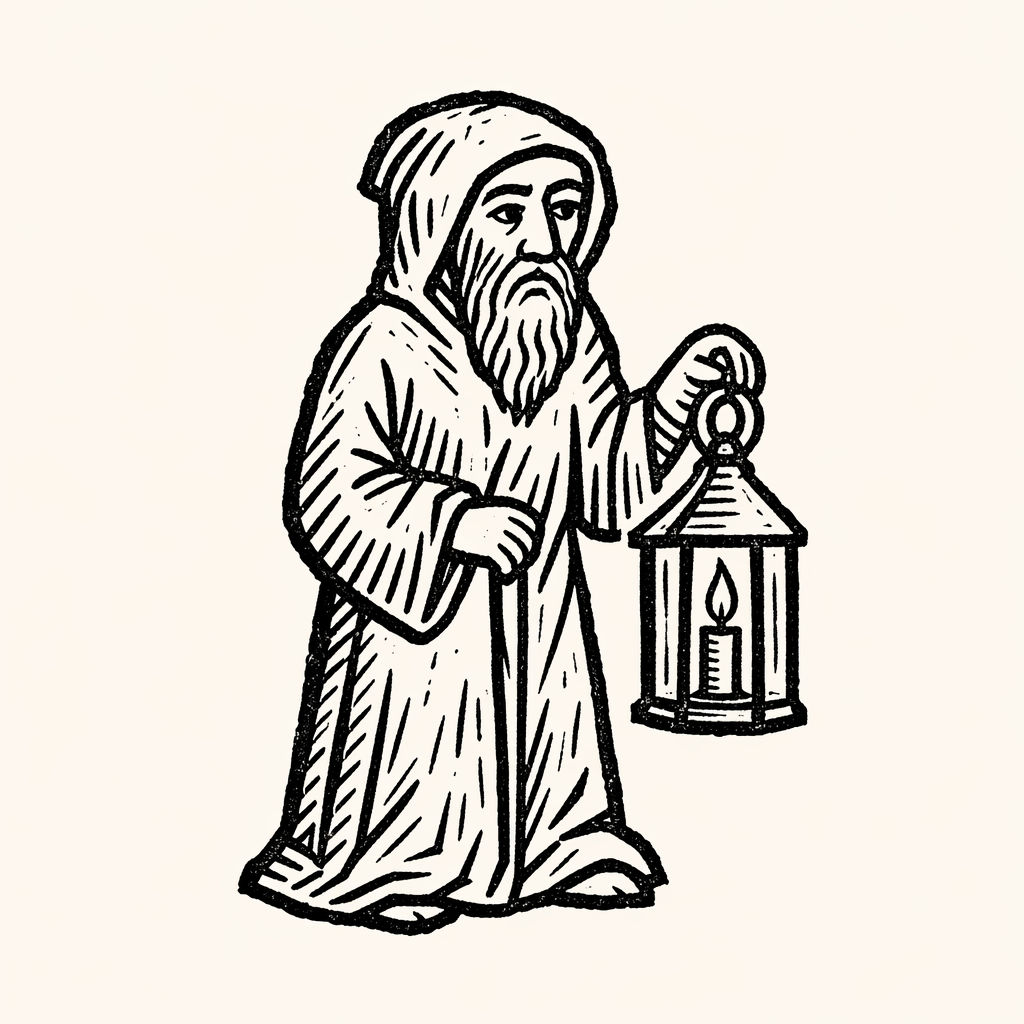
Pair with Anima, Wise Old Man, Sword, and the dream of Exam — unprepared.
What to ask in your journal
If animus appears in your dream, sit with these prompts before reaching for an interpretation.
- Was the animus-figure familiar or unknown?
- What did he embody — strength, voice, authority, threat?
- Did he speak? What did he say?
- Where in waking life is your own voice or judgment being asked for?
- Where are you outsourcing decision-making to an external authority?


Frequently asked
What is the animus in Jungian dream interpretation?
The animus is the contrasexual archetype in the female psyche — dream-bearer of *logos*: discrimination, judgment, agency, voice.
What are the four stages of the animus?
Jung distinguished four maturational stages: the man of physical action, the romantic, the man of the word (the professor), and the wise man (the sage).
Why does the animus sometimes appear as a panel of men?
The 'opinion-pronouncing committee' is a particular animus-form Jung noted in dreams of women whose own judgment had been outsourced — to family, to authority, to received opinion.
Does the animus only appear to women?
Jung's original framework reserved 'animus' for the female psyche and 'anima' for the male. Contemporary depth-psychology recognizes the contrasexual archetype with greater complexity than the binary frame implies.
Cited works
Each interpretation on this page traces back to one of these primary sources. Quotation with attribution welcome — see our methodology for how we cite.
- Carl Gustav Jung (1959) *The Archetypes and the Collective Unconscious (Collected Works, Vol. 9, Part 1)*. Princeton University Press. Trans. R. F. C. Hull.
- Carl Gustav Jung (1962) *Memories, Dreams, Reflections*. Pantheon Books.