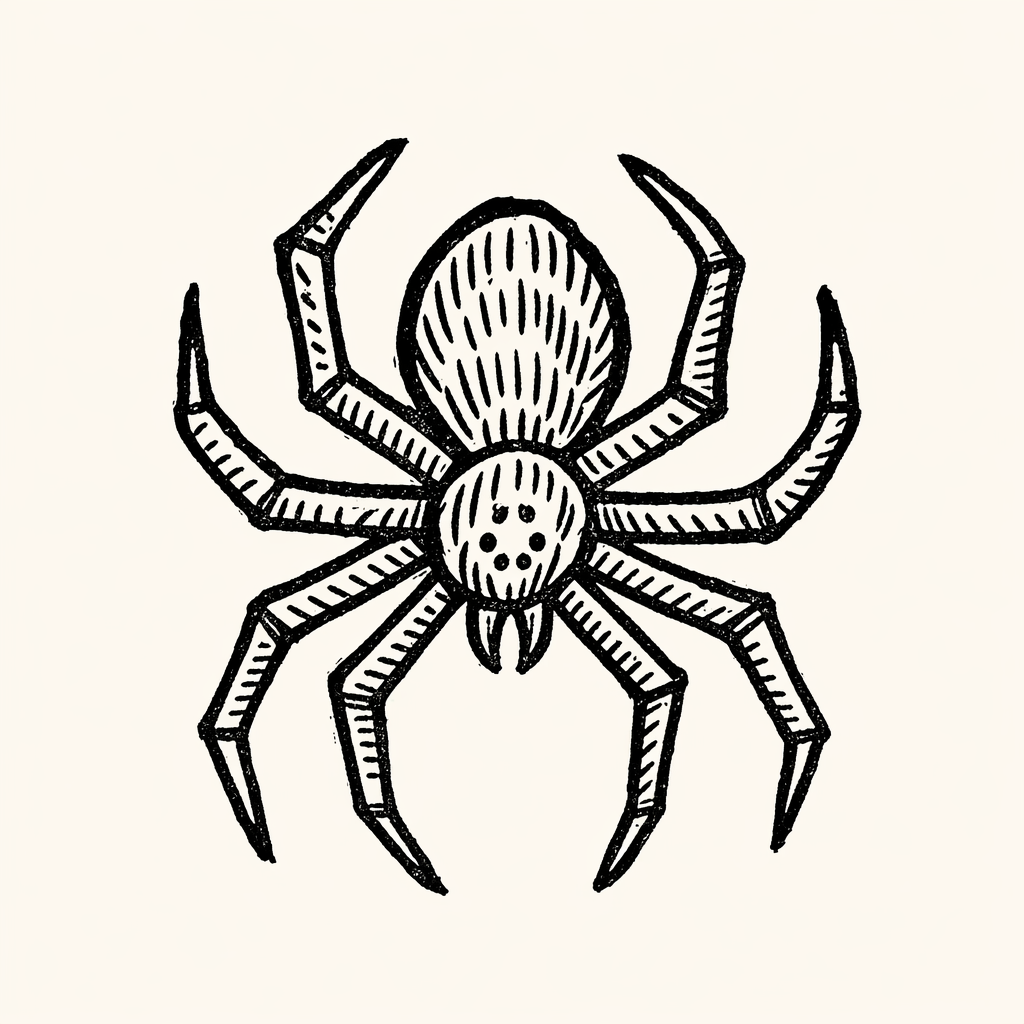
Spider
The weaver — Spider Woman, Anansi, terrible mother, web of relations.
The spider is one of the most polyvalent dream-symbols on record. The register depends partly on the dreamer’s cultural context. See the expanded dream-entry Spiders for the full treatment.
The Jungian reading
Jung treats the spider in two registers (CW 5): the weaver (slow patient creation) and the terrible mother (devouring, web-binding). Both are valid; both appear in dreams.
Cross-cultural readings
Spider Woman in Pueblo, Diné, and Hopi traditions is a creator-weaver of profound cultural weight. Anansi in West African and Caribbean traditions is creator-trickster.
If the dream changes
- From threat to weaver. The dreamer has begun to see the creation rather than only the threat.
- From a single spider to many. An accumulating entanglement.
- From web to no web. Material has been addressed.
Related dreams and symbols
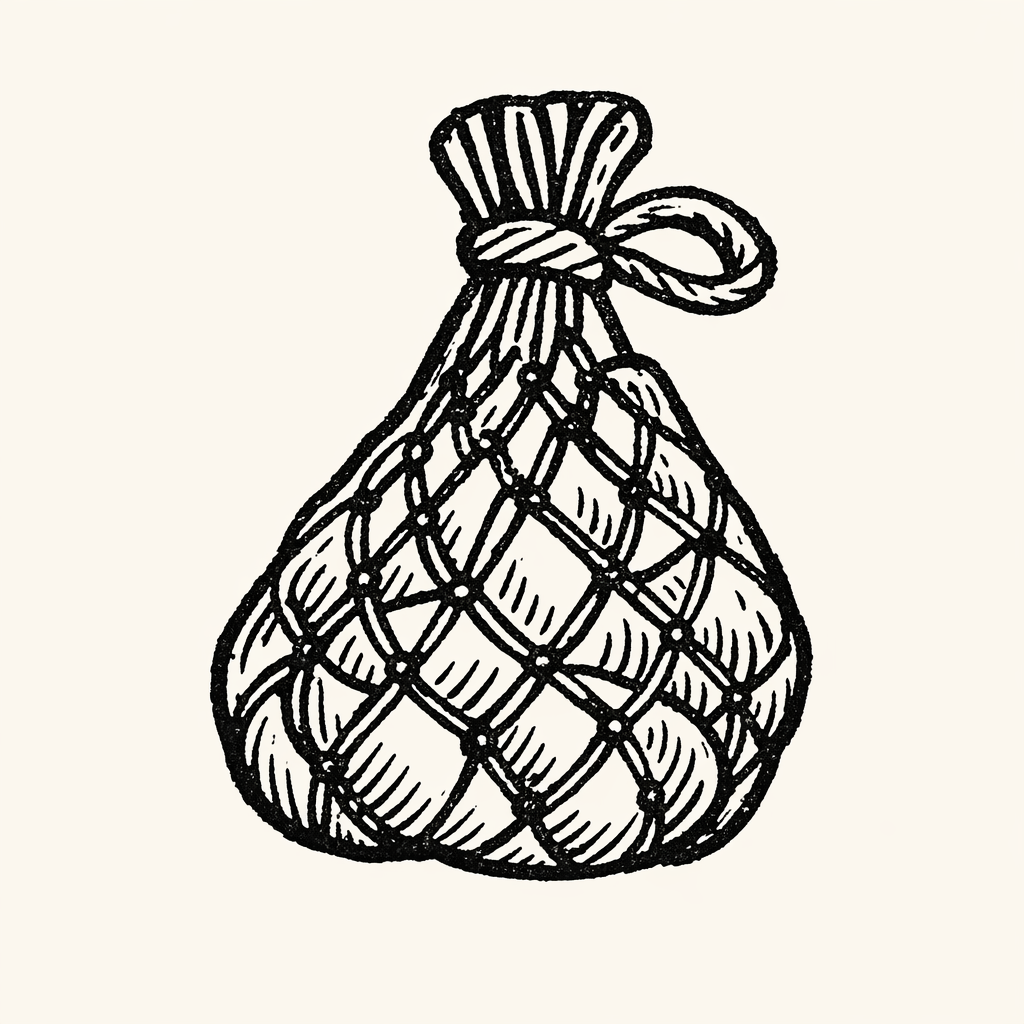
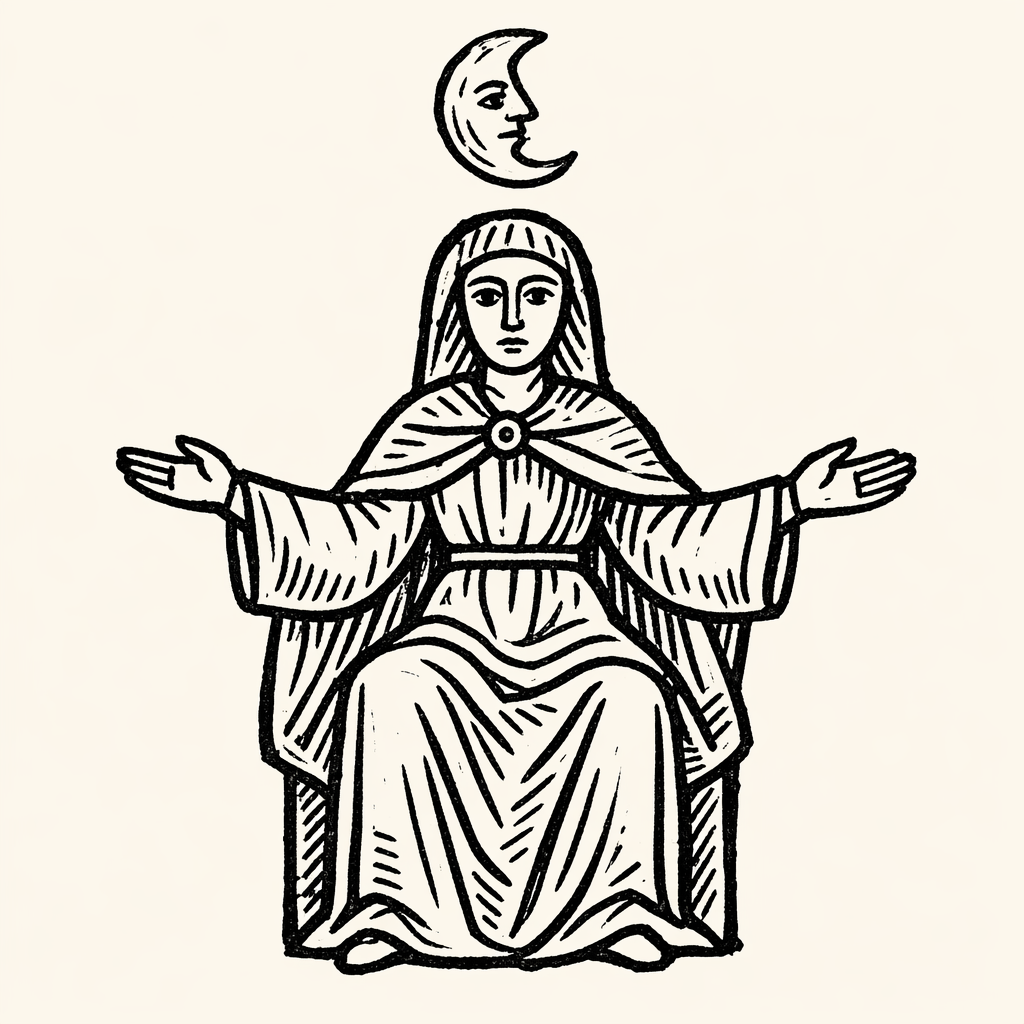
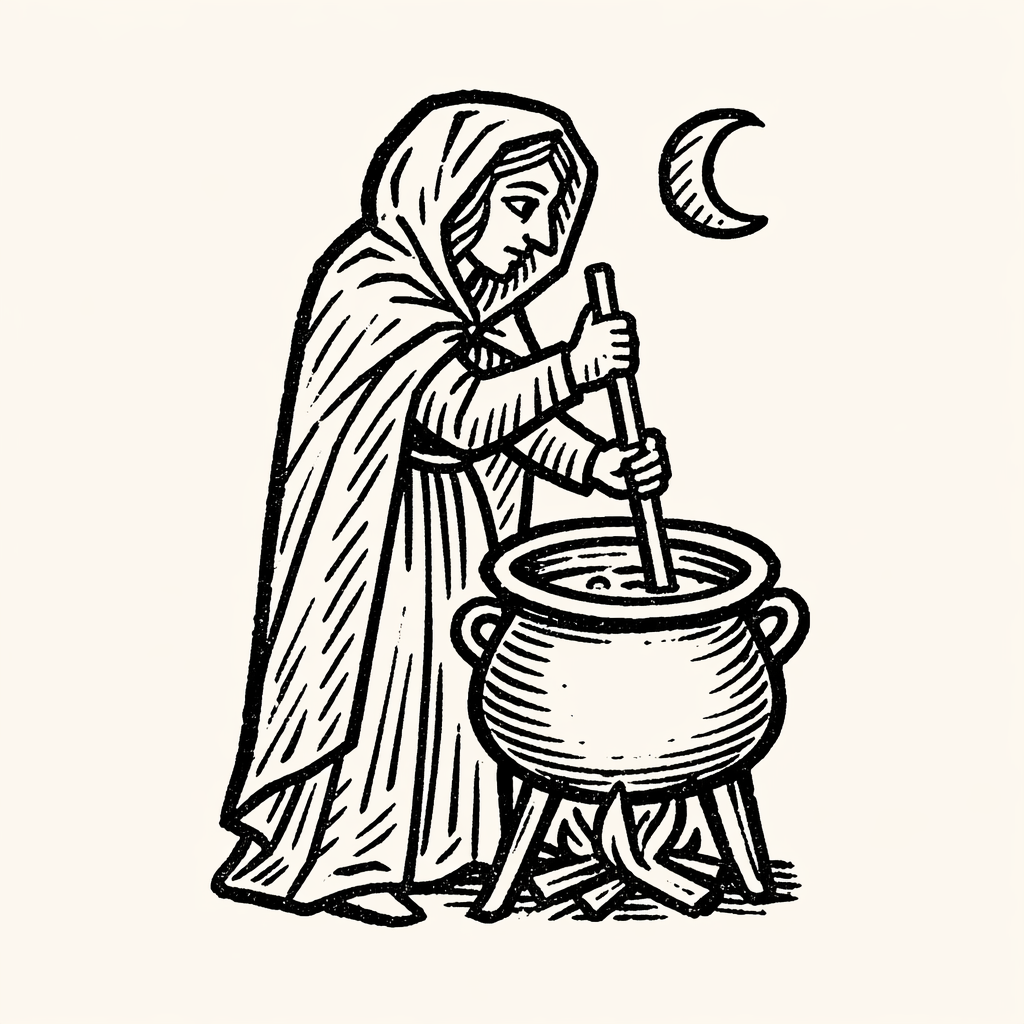
See the dream-entry Spiders and pair with Net, Great Mother, Witch.
What to ask in your journal
If spider appears in your dream, sit with these prompts before reaching for an interpretation.
- Was the spider weaving, hunting, hidden, or simply present?
- What was caught in the web?
- Did you fear, kill, watch, or ignore it?
- What is being woven slowly in your life that you have been giving little attention?
Frequently asked
What does the spider mean in dreams?
The spider operates in two registers in dream-traditions: the creator-weaver (Spider Woman, Anansi) and the threatening figure / terrible-mother imagery in modern Western dreaming. Both can be present at once.
What does it mean to dream of a giant spider?
Often a *terrible-mother* image — the mother as devouring rather than nourishing.
Why a web?
The web is among the most efficient dream-images of *entanglement*.
Cited works
Each interpretation on this page traces back to one of these primary sources. Quotation with attribution welcome — see our methodology for how we cite.
- Carl Gustav Jung (1956) *Symbols of Transformation (Collected Works, Vol. 5)*. Princeton University Press. Trans. R. F. C. Hull.
- Barbara Tedlock (ed.) (1987) *Dreaming: Anthropological and Psychological Interpretations*. Cambridge University Press.
- Kelly Bulkeley (2016) *Big Dreams: The Science of Dreaming and the Origins of Religion*. Oxford University Press.